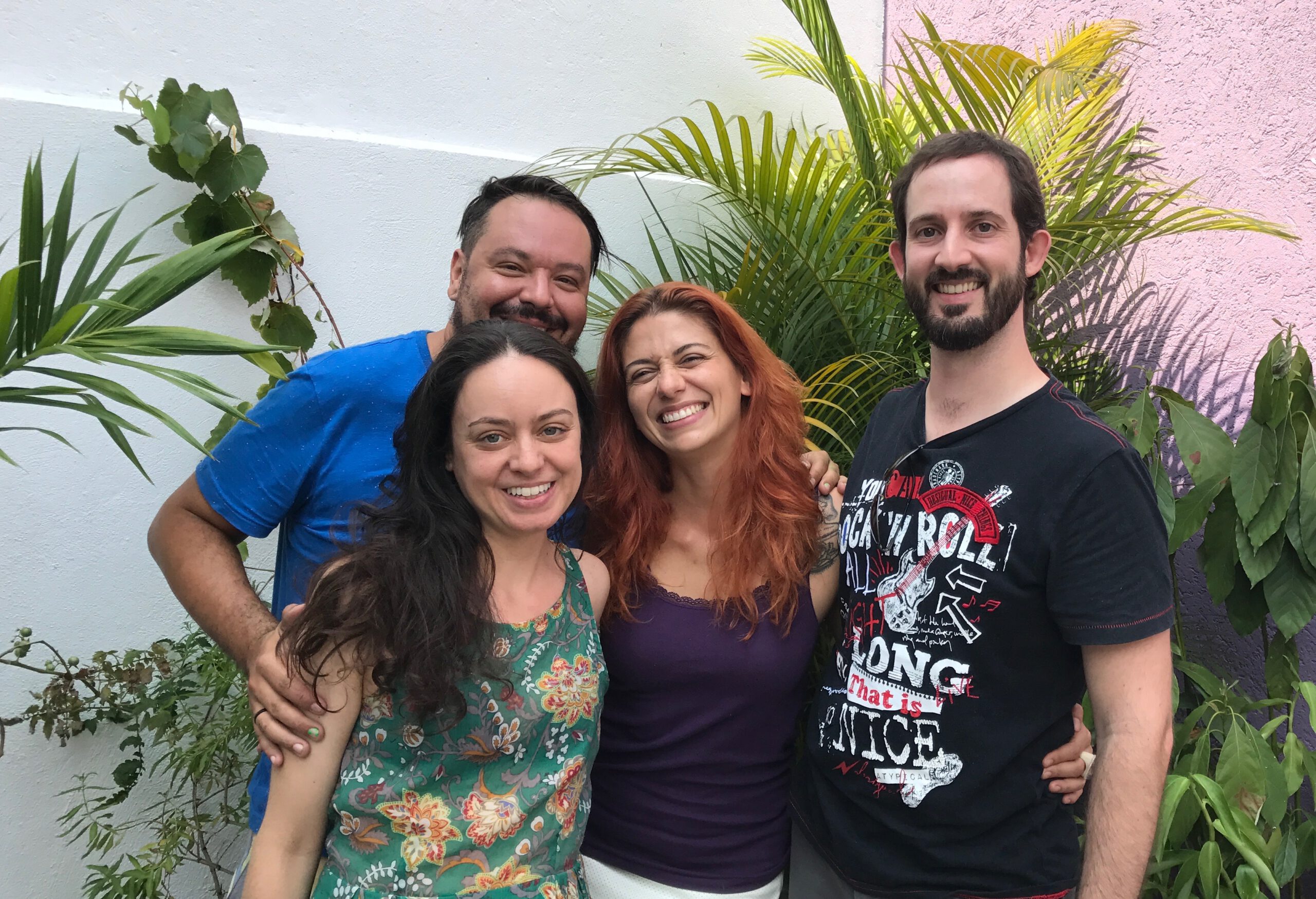
Dr. Tiago Falótico 

Tiago studies tool use and cultural behavior in primates, mostly at the UNESCO World Heritage site of Serra da Capivara National Park, in Brazil. His research looks at differences in tool use behavior between capuchin sex, groups, and populations, as well as the ontogeny of tool use and other manipulative behaviors. Currently, he is the PI of the CapCult project, exploring and comparing new populations of capuchin monkeys. He also has an interest in comparing capuchin monkeys to other tools using non-human primates and looking into the origins of tool use behavior. Tiago is a National Geographic Explorer, a guest researcher at the Technological Primates Research Group at the Max Planck Institute for Evolutionary Anthropology, and a member of the board of the Brazilian Primatological Society.
Links:
Drª. Mariana Dutra Fogaça

Mari is a researcher studying primate behavior from an evolutionary perspective, aiming to understand the interactions between ontogenetic feeding behavior, the physical properties of food, and the morphology of New World Primates. She aims to shed light on which variables play a role in the morphological evolution of the masticatory elements of anatomy and how this relates to the animal’s life history. She has been working with wild primates in the Rainforest since 2005 and also has experience at the Cerrado, Caatinga, and mangrove.
She is developing a study where the main focus is on growth patterns, tooth topography, and the species’ morphological differences in relation to wild feeding behavior and looking at urban primates’ plasticity, specifically in marmoset hybrids.
She is active in science divulgation, writing in the following platforms: cientistas feminisas e casa da doula.
Links:
Drª. Michele Pereira Verderane

Dra. Michele Verderane is a researcher at Neoprego. She has been studying the social behavior of capuchins in Brazil since 2000, including semi-free-ranging groups in Parque Ecológico do Tietê, São Paulo, and wild groups in the Cerrado/Caatinga, in Fazenda Boa Vista, Piauí, with the EthoCebus research team since 2005, and more recently in Atlantic Forest, in Bahia. She conducts comparative research on maternal behavior and mother-infant initial interactions in wild capuchin monkeys as part of her postdoctoral position.
Links:
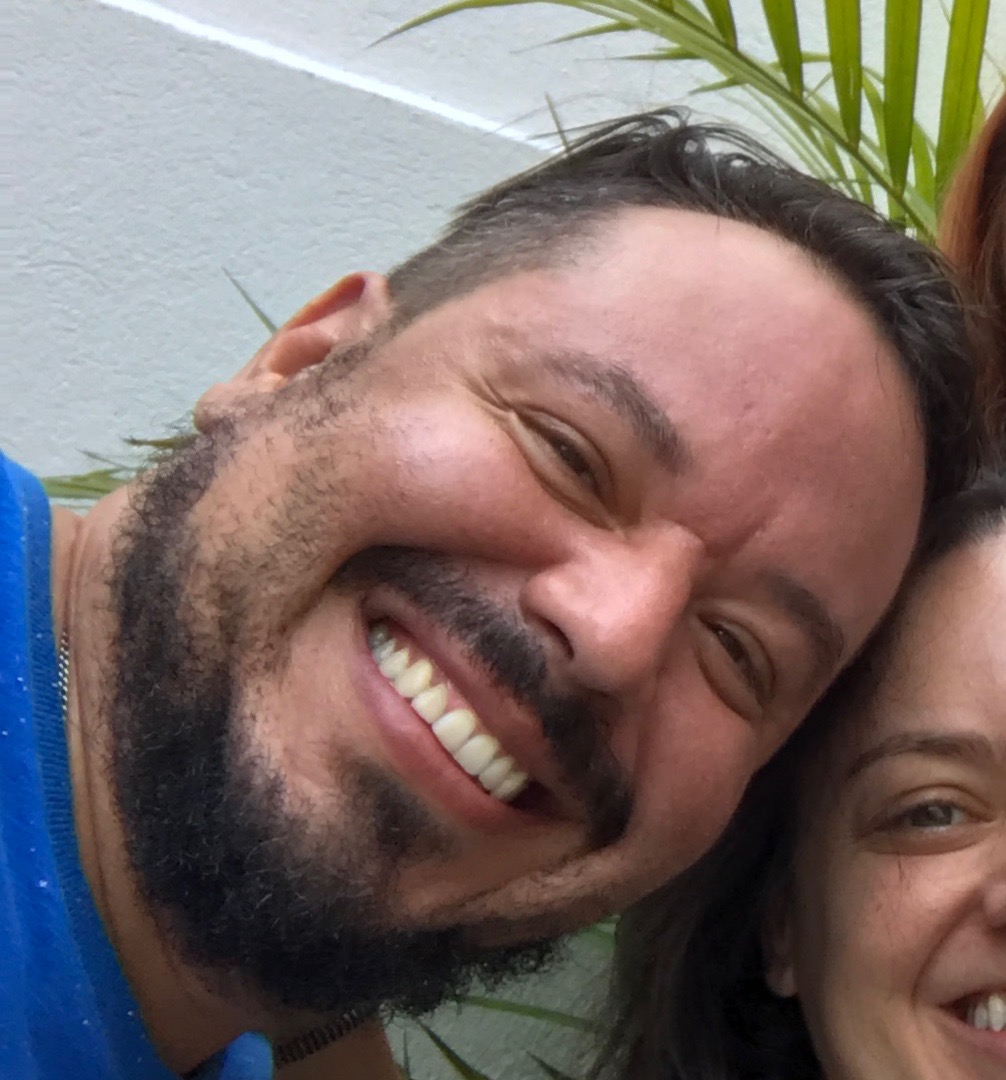 BSc. Anderson Palmeira de Souza
Anderson é biólogo, formado pela Universidade de Mogi das Cruzes (UMC) em 2001, tendo realizado estágios na área de comportamento animal com macacos prego e quatis pelo Departamento de Psicologia Experimental da Universidade de São Paulo (USP) . Especialista em Zoologia pela Universidade Federal Rural de Pernambuco (UFRPE) em 2005 e aluno especial do curso de Mestrado em Biologia Animal da Universidade Federal de Pernambuco (UFPE) em 2003. Coordenou o projeto de pesquisa sobre ecologia comportamental de bugios (Alouatta belzebul) em fragmento de Mata Atlântica no Sul de Pernambuco, de 2003 a 2006. Foi professor de curso técnico em Caraguatatuba-SP, ministrando aulas de preservação de meio ambiente, legislação ambiental, educação ambiental e estudos de impacto ambiental. Trabalhou de 2009 a 2012 no programa itinerante: A Mata Atlântica é Aqui! realizado pela Fundação SOS Mata Atlântica, desenvolvendo atividades de educação ambiental, mobilização social e oficinas ecopedagogicas para crianças, jovens e adultos. Trabalhou de 2013 a 2014 no Instituto Ekko Brasil/Projeto Lontra- base Pantanal-MS, como coordenador de mobilização social e educação ambiental, com estabelecimento de parcerias entre departamentos (Educação, Meio Ambiente e Turismo) das Prefeituras de Aquidauana e Anastácio, Universidades locais (Federal e Estadual), CM do Exército e outras instituições públicas e privadas ,para o desenvolvimento de pesquisa científica, atividades socioambientais, workshops e palestras para comunidade local e comunidades ribeirinhas e indígenas. Atualmente ocupa o cargo de direção executiva e assessoramento no Geopark Bodoquena-Pantanal e como pesquisador do GEMAP : Grupo de Estudos e Manejo em Áreas Protegidas da Universidade Estadual de Mato Grosso do Sul.